
Smart Screen Habits: When, Why & How to Scroll
Screens are a part of our everyday world from study and entertainment to connection and creativity. But the way we use them decides whether they sharpen our mind or scatter our focus. Smart screen habits mean knowing when, why, and how to scroll so that your screen becomes a tool for growth, learning, creativity, and inspiration rather than distraction.
Your brain and body follow a natural rhythm called the circadian rhythm, which decides when you feel alert, focussed, or sleepy.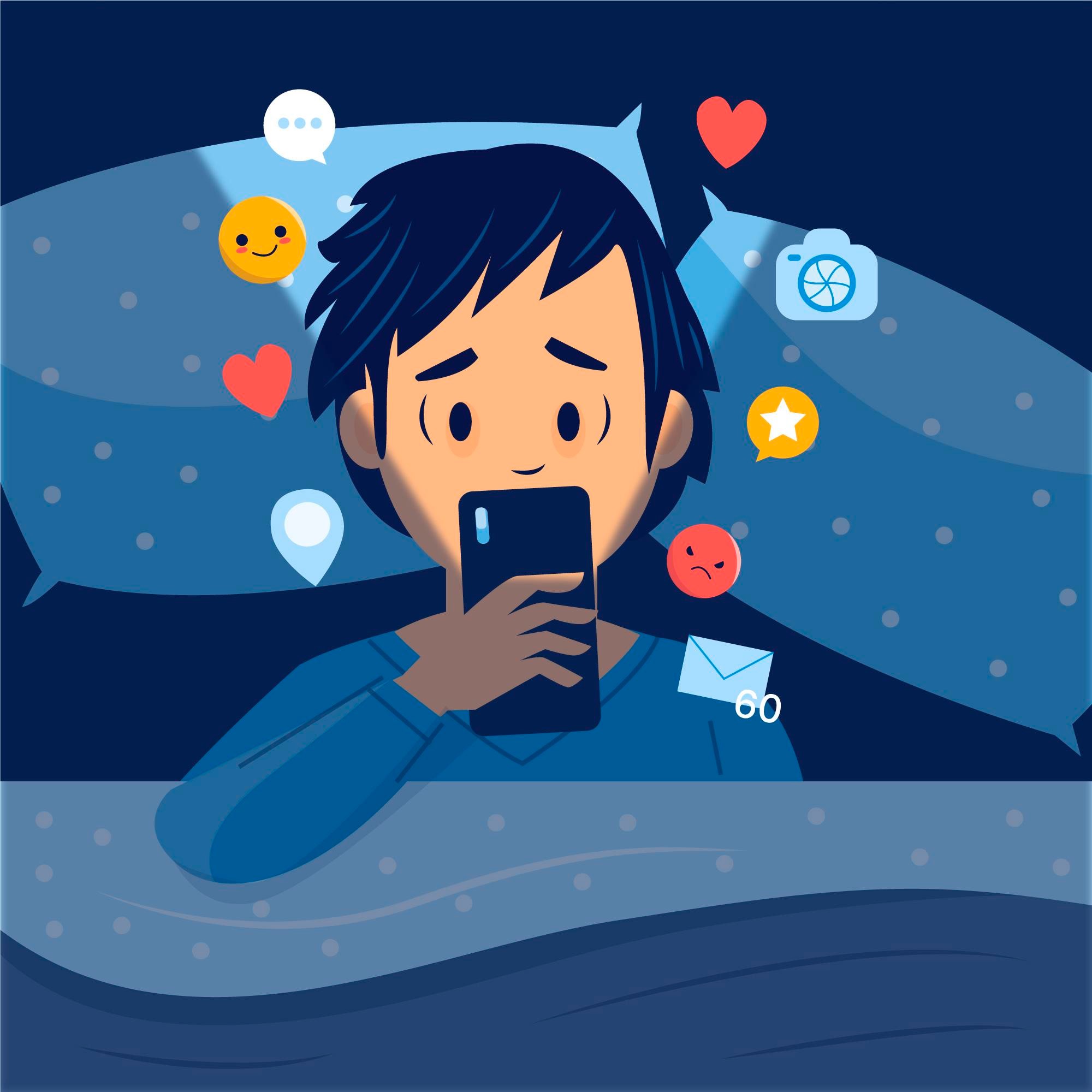 Using screens in sync with this rhythm can boost your energy and learning. Research shows that the brain’s peak alertness occurs between 9 am and 12 pm, and again in the early evening, making these ideal times for productive activities like studying, reading, or creative projects. However, late-night scrolling disturbs this rhythm. The blue light from screens lowers melatonin levels (sleep hormone) leading to poor rest, weaker memory, and lower mood and focus the next day.
Despite knowing this, many of us still reach for our phones without thinking. That is because scrolling is designed to be addictive. Social media, reels, and video games, etc. release small bursts of dopamine, the brain’s “feel-good” chemical, which creates short pleasure loops that are hard to resist. Often, we do not scroll because we truly want to, but because it fills emotional gaps like boredom, loneliness, or a need to escape. The endless stream of content feels comforting at first, but rarely satisfies us for long.
Not all scrolling, however, is harmful. There is a difference between Active Scrolling, where you use screens with the purpose to learn, explore, or create and Passive Scrolling, where you drift aimlessly through feeds. The first strengthens your brain; the second slowly dulls it. So, before picking up your device, pause and ask yourself: “Why am I doing this right now? If the honest answer is “just to escape”, you can redirect that impulse towards smart digital habits that feed your mind instead of draining it. Try these simple swaps:
- Declutter Digitally: Delete unused apps, random screenshots, and clutter. Organise photos and files into meaningful folders. Unfollow accounts that drain energy or provoke stress or comparison. A clean phone brings mental clarity.
- Journal and Reflect: Use Notes, Notion, or Google Keep to write a daily takeaway, gratitude, or lesson. Reflect on mistakes and achievements. Reflection strengthens self-awareness and emotional regulation.
- Learn Mindfully: Listen to audiobooks, podcasts, or guided meditations. Watch content aligned with your interests and values such as Jataka Tales and other spiritual stories.
- Create, Don’t Just Consume: Make short videos, digital art, or DIY crafts inspired by what you see online. Creation fuels imagination and confidence.
- Track Emotions Visually: Use apps or digital charts to log moods with colours or emojis. This builds self-awareness playfully.
- One-Topic Deep Dive: Pick a topic weekly and explore through videos, virtual tours, or articles. This strengthens focus and learning.
- Discover Hidden Talents: Try online music, language, or art lessons to find new interests.
- Brain Gym Games: Play logic, memory, or puzzle games on apps like Elevate or Lumosity. This improves focus and problem-solving.
- Explore the World Virtually: Use Google Earth, museum tours, or live nature cams to discover new places, cultures, and ecosystems. It expands curiosity, perspective, and empathy.
Small choices like these reshape how your brain connects with screens from reaction to purpose, from consuming to creating. Setting tiny, intentional goals helps, too.
There are many real-life examples of how screens, when used wisely, can open doors to great opportunities. Gitanjali Rao learned coding through online tutorials and created a device to detect lead in water, becoming TIME’s Kid of the Year. Tanmay Bakshi began coding on YouTube at the age of nine and is now a Google AI developer. These kids did not use screens to escape boredom; they used them to explore ideas and build skills.
These stories remind us that technology itself isn’t harmful. Our patterns decide whether it helps us grow or keeps us stuck. Your phone can be your classroom, art studio, or creative lab if you use it intentionally. What truly matters isn’t how many hours you spend on a screen, but how you spend them.
The key is awareness. Once you are mindful of your patterns, you gain the power to shape them because screens aren’t the enemy, unaware scrolling is. Your eyes, mind, and time are precious tools for building knowledge, creativity, and joy. So the next time you pick up your phone, pause and ask:
“Am I using my screen or is it using me?”

